

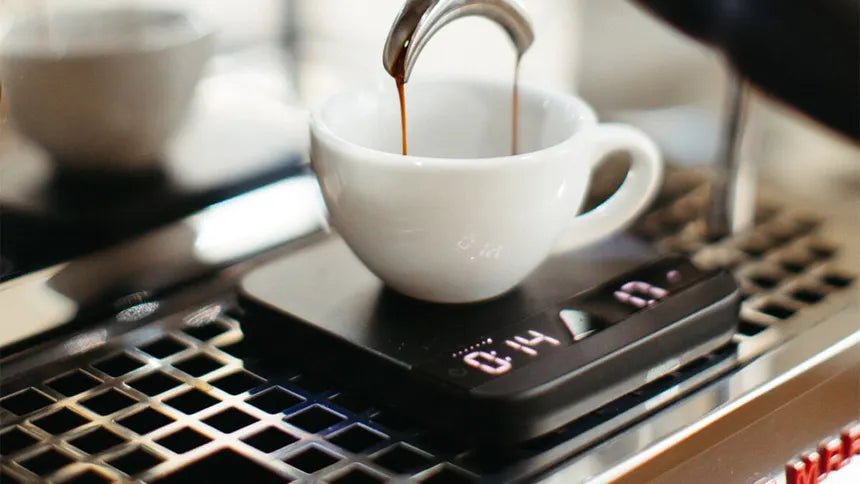
How to match your espresso machine and coffee choice with your personal taste and home brewing style
Perfect espresso at home requires a combination of a good machine and the right coffee.
Choosing the right beans and machine depends on your taste: do you prefer a pure espresso or a rich milk-based drink? Single origin coffee comes from one farm or region and retains specific regional notes – it is often livelier, with floral or fruity tones. In contrast, blend coffee is a mixture of beans from multiple sources, designed to provide a more uniform and creamier taste; it typically has chocolate, caramel, and nutty tones. Blends are often the default choice for home espresso because they are more stable and pair well with milk or sugar.
Differences:
-
Single origin coffee: Distinct profile – each growing region yields a different taste. For example, Ethiopian coffee can be citrusy-fruity and aromatic, while Colombian often has chocolate and caramel notes. For home barista tips: single origin coffee will highlight these specific aromas, but can vary seasonally.
-
Blend coffee: Balance and consistency – mixtures of beans make the taste more homogeneous throughout the year. This means that an espresso blend will often yield a consistent, full shot and be "friendly" to all tastes, especially if you enjoy milk-based beverages.
How to choose a machine based on your habits and budget
The key is how and how often you prepare coffee. Consider the following factors:
-
Frequency and style: If you predominantly enjoy pure espresso or an americano (without much milk), a single boiler with PID control may be perfectly sufficient – such a machine is more compact and affordable, yet still provides good temperature stability for shots. On the other hand, if you prepare lattes, cappuccinos daily, or often make multiple cups for guests, a dual boiler machine is a justified solution: you can simultaneously make espresso and steam without waiting.
-
Speed vs. precision: Dual boiler machines offer the fastest workflow – there is no waiting for the boiler to cool down or heat up between steaming and espresso. Single boiler models require switching between modes and can take a few minutes when changing functions. Heat-exchanger (HX) machines represent a compromise – a single boiler, but with a tube system for selecting the brew water temperature. They operate almost simultaneously (extraction and steam), but usually require flushing the group for temperature stabilization.
-
Budget and space: On a limited budget, the best option is a reliable single boiler machine, often with PID for precision (e.g., Profitec Move or Rocket Appartamento). For a similar price, heat exchanger models like Profitec Go offer more features without drastically higher costs. If you don't need to save money, invest in a dual boiler (Rocket Giotto, ECM Classika and similar) – its higher build quality and better temperature control justify the higher price. Also, consider the dimensions: dual boiler units are physically larger, while entry-level models are often more compact and easier to place on a kitchen counter.
Single boiler, Dual boiler and Heat Exchanger (HX) – pros and cons
Each type of machine has its characteristics:
-
Single boiler: Has only one water boiler and must switch between brewing and steaming modes. To get steam, the boiler heats to a higher temperature, after which you must wait for it to cool down before a new extraction. Advantages are lower cost and simpler construction, but the drawback is longer waiting times when making multiple drinks.
-
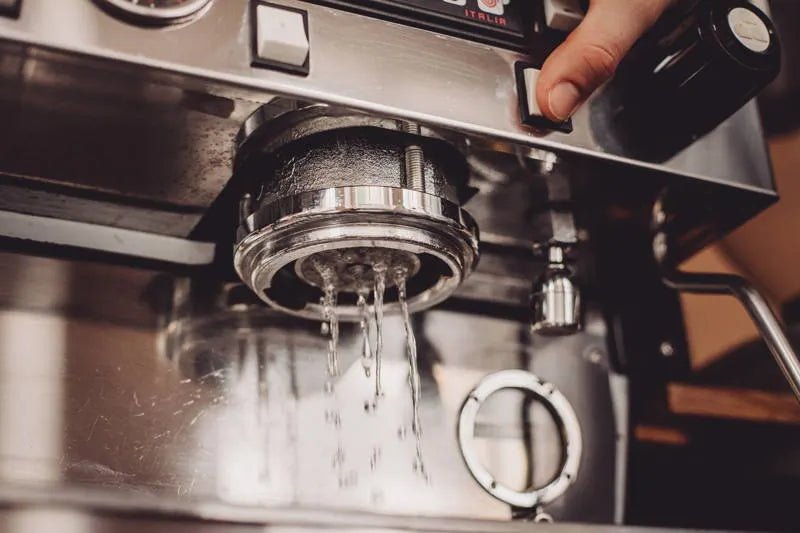
Heat Exchanger (HX): Although it has one boiler, it contains a tube through which water for espresso flows. The boiler is constantly at steaming temperature, and the water for espresso passes through this tube system and is automatically brought to the ideal extraction temperature (around 90–96°C). The main advantage is that this machine can practically make espresso and steam simultaneously without waiting, and the water for espresso comes fresh directly from the tube (unlike single boilers). The disadvantages are that adjustment is less direct, and occasional "flushing" is necessary to maintain temperature stability. HX machines offer a fast workflow at prices closer to single boiler models, but still require some skill in use.
-
Dual boiler: Has two completely separate boilers – one for steam, one for espresso. This means that extraction and steam temperatures can be adjusted independently. For the user, this means consistency and immediate readiness to make drinks (no waiting whatsoever). Dual boiler systems provide the greatest control and are ideal for precision fanatics, but due to more complex manufacturing, they are significantly more expensive and have more parts that can break. Generally, a dual boiler is only recommended for those for whom speed and consistency are absolute priorities – a "professional" experience at home.
Espresso grinder and machine – a good pair
Even the best machine won't produce a top-tier espresso without a suitable grinder. Every home barista's advice starts with—freshly ground beans. The entire espresso-making process relies on the freshness of the beans: as soon as coffee is ground, oxidation begins to degrade the aromas. That's why one of the most important investments is a good burr grinder (with flat or conical burrs)—it allows you to achieve uniformly and finely ground coffee for espresso. According to experts from Whole Latte Love, the key to success is grinding immediately before preparation, as pre-ground coffee quickly loses its aroma and the crema will be weaker.
-
Flat vs conical burrs: Flat burrs generally produce a more consistent particle size, which contributes to a cleaner espresso taste. This means the espresso can be clearer and more balanced. Conical burrs, on the other hand, often produce more "fines" (fine particles), which can result in richer, chocolatey beverages. Both types work well, but flat burr grinders are often found in machines for professionals and advanced enthusiasts due to their precision.
-
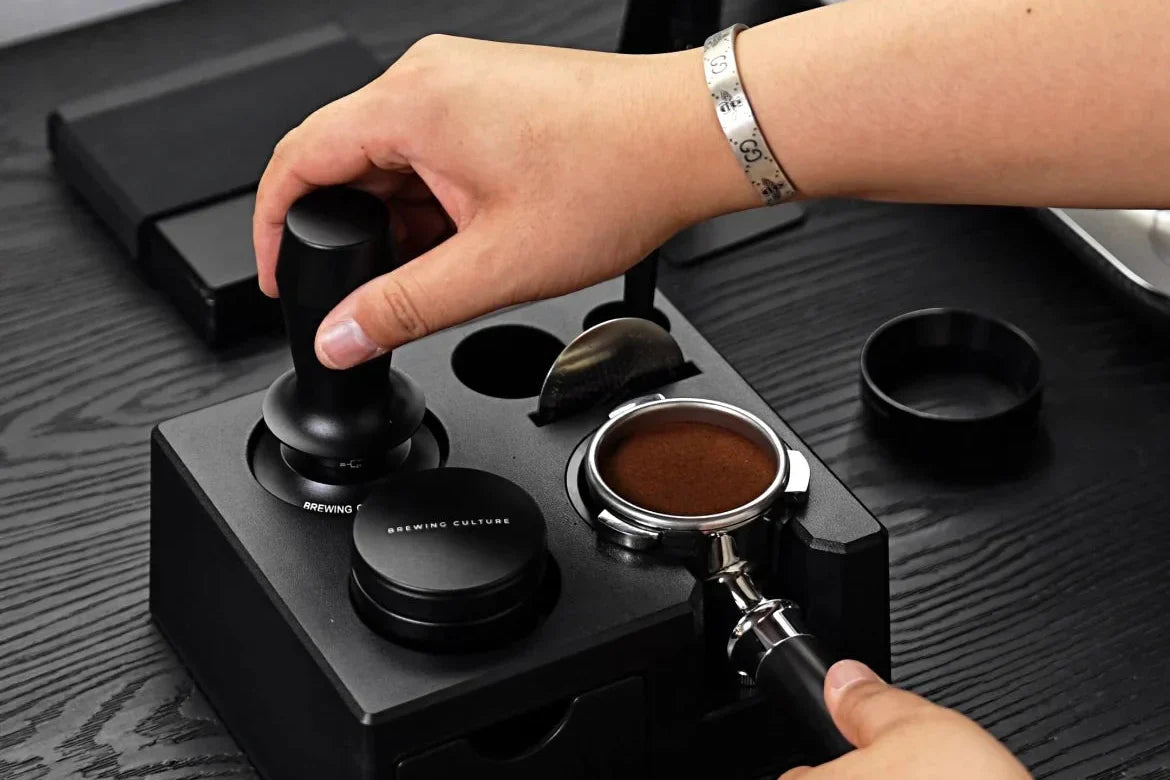
Example from the offer: Brew Society offers precise grinders such as the Eureka Mignon Specialita' – a compact model with flat burrs, ideal for espresso. Their offer also includes other renowned brands, such as Mazzer, Ceado, or Rancilio grinder models, which are known for their durability and accuracy. The key is to achieve the optimal grind fineness for your machine (usually 18-20g of coffee for a double shot) and to adjust the grind according to the humidity and freshness of the beans.
Recommended machine models and coffees
Although we won't link directly, here are some popular examples from Brew Society's offer that can serve as guidelines:
-
Profitec Move – a simple single boiler machine with PID control, excellent for beginners and those on a tighter budget.
-
Rocket Appartamento – a compact Italian single boiler with built-in PID, suitable for pure espresso coffee.
-
Profitec Go – a well-balanced entry-level model with an E61 group for a wide range of tastes.

-
Rocket Giotto – a premium dual boiler machine (also with Timer/PID) for serious enthusiasts who need a fast workflow.

-
ECM Classika PID – a German dual boiler machine known for exceptional temperature stability and precise espresso profiling.

-
La Marzocco Linea Mini – an iconic high-end dual boiler for home use, an excellent choice if price is not a concern; known for consistent quality and reliability.

For coffee, carefully selected blends and single-origin specialties are available. Brew Society regularly introduces local specialties as well, so you can choose between different strengths and flavor notes. The combination of machine and coffee is individual—our advice is to experiment: try one blend and one single origin with a specific machine, then compare the results.
Conclusion: We hope these tips have helped you understand the selection of home espresso machines and coffees. The right home espresso machine depends on your tastes, habits, and space—so tailor your purchase to your routine. For more detailed technical advice and a wide selection of equipment and coffees, feel free to explore the Brew Society store's offerings. Harmonize your machine, grinder, and beans with your own home barista tips and elevate your espresso enjoyment to a new level!





Leave a comment
This site is protected by hCaptcha and the hCaptcha Privacy Policy and Terms of Service apply.