

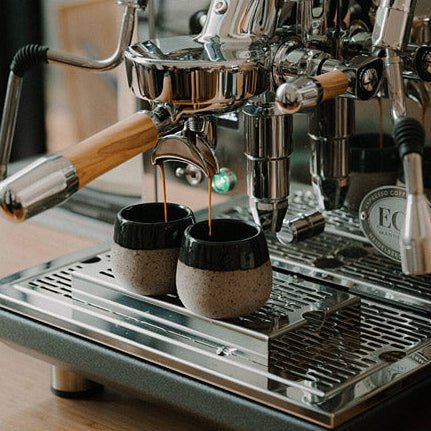
Differences between single boiler, HX, and dual boiler machines

Differences Between Single Boiler, HX, and Dual Boiler Machines
When you start to seriously research espresso machines for home use, you'll quickly encounter three terms that are constantly repeated: single boiler, HX, and dual boiler. At first glance, these differences might seem like technical complications reserved for enthusiasts. In reality, this division determines how the machine will perform in daily use, how much control you'll have over extraction, and how fast, simple, or demanding the entire coffee-making process will be.
In other words, the choice between these three categories is not just a technical matter. It's one of the key decisions when purchasing a machine because it directly affects your experience, beverage quality, and long-term satisfaction. If you haven't yet explored the wider range of machines, we recommend starting with the espresso machines category, and then using this guide as a filter to determine which type of construction makes the most sense for you.
What Does Boiler Construction Actually Mean?
At the heart of every espresso machine is a water heating system. The way the machine heats water for extraction and for steam makes the biggest difference between single boiler, HX, and dual boiler systems. Espresso requires a relatively precise water temperature, while steam requires a much higher temperature. How the machine manages this relationship directly affects its speed, practicality, and stability.
This is an important detail because espresso isn't just about pressure. Water temperature, stability during extraction, and the machine's ability to perform multiple tasks consecutively without interruption significantly change the final result in the cup. Therefore, boiler construction is not just a technical specification, but a crucial part of the purchasing decision.
Single Boiler: Simple, Logical, and Often Ideal for Beginners
A single boiler machine has one boiler that serves both for espresso preparation and for steam generation. This means the same system must operate at two different temperatures. When making espresso, the machine maintains a lower brew temperature. When you want to froth milk, the machine switches to the higher temperature needed for steam. This implies a certain waiting period between these two steps.
Precisely because of this, a single boiler is not the best choice for users who regularly make multiple milk-based drinks one after another. However, that doesn't make it a bad solution — quite the contrary. For many users, especially those who primarily drink espresso or an occasional cappuccino, a single boiler represents an excellent entry into the more serious world of home coffee.
Its biggest advantages are simpler construction, lower price, and often very good extraction quality for the money spent. If your focus is primarily on espresso, and not on intensive milk-based drinks, a single boiler can make much more sense than a more expensive and complex machine that you won't fully utilize.
HX (Heat Exchanger): The Compromise That Suits Many Best
An HX machine uses a single larger boiler primarily for steam, while water for espresso passes through a heat exchanger. This allows the machine to be ready for both extraction and steam almost simultaneously. That's why HX models have long been one of the most popular choices for users who want a more serious home machine and frequently prepare cappuccino and latte drinks.
The main advantage of an HX system is its workflow. The machine doesn't have to "wait" between espresso and steam in the way a single boiler does. This means faster operation, more practicality, and the feeling that the machine is more ready for a morning routine with multiple cups. For households where multiple people drink coffee or where milk-based drinks are regularly prepared, HX often represents a very logical balance between performance and price.
On the other hand, HX construction typically doesn't offer the same level of direct temperature control as a good dual boiler. That doesn't mean an HX can't produce great espresso — it certainly can. But for users who want maximum precision regarding temperature and very fine control over various specialty coffees, a dual boiler often has the advantage.
Dual Boiler: Maximum Control and Minimum Compromises
A dual boiler machine has two separate boilers: one for espresso and one for steam. This is the most direct and efficient solution for users who want maximum thermal stability, independent control, and a superior workflow. When you have separate systems, the machine can simultaneously maintain a precise brew temperature and powerful steam, without these functions interfering with each other.
For advanced users, this is a huge advantage. A dual boiler allows for a greater level of experimentation with different coffees, temperatures, and extraction styles. For those who want a serious home barista setup and know they will use the machine long-term and intensively, this type of construction often represents the best solution.
Of course, a dual boiler comes with a higher price and often larger dimensions. This is a solution for users who truly want to leverage its benefits. If you don't often make milk-based drinks and don't want to delve deeper into the technical side of preparation, then you might not need to go that far. But if you want minimum compromises, a dual boiler is the most complete option.
How to Know Which Type Is for You
If you primarily drink espresso and want a simple entry into the more serious world of machines, a single boiler makes a lot of sense. If you often make cappuccinos and lattes and want a better workflow without entering the highest price range, an HX is a very logical option. If you want maximum control, independent temperature, top performance, and a machine you will use seriously for years, a dual boiler is probably the right direction.
It's important to understand that there is no universally "best" type. The best machine is the one that suits your habits, expectations, and budget. That's why it's useful to view boiler construction as an answer to how you actually use the machine, rather than a hierarchy where more expensive is automatically better for everyone.
Why the Grinder Is Still Equally Important
Regardless of whether you choose a single boiler, HX, or dual boiler, it's important not to forget that espresso quality largely depends on the grinder. The grinder determines the precision of grind size, consistency, and stability of extraction. Therefore, it's useful to review the coffee grinders category while reading this guide, so you can plan your entire setup realistically, and not just according to the machine.
Conclusion
Single boiler, HX, and dual boiler are not just technical designations — they are three different philosophies of machine use. A single boiler is a logical and often excellent start. An HX is a practical compromise for users who enjoy milk-based drinks. A dual boiler is the most complete solution for those who want a serious, long-term, and very precise home espresso setup.
If you want to continue comparing brands, the next step is the article ECM vs Profitec: Which Brand to Choose and Why, and if you want to immediately browse specific models, visit espresso machines.





Leave a comment
This site is protected by hCaptcha and the hCaptcha Privacy Policy and Terms of Service apply.